Exploring the Magic Behind Music Video Production
Music videos are not just visual companions to a song; they are a rich tapestry of storytelling, creativity, and collaboration. In this blog, we’ll delve into the fascinating world of music video production, exploring the artistic processes, technical aspects, and the magic that brings music to life visually. Whether you're a budding filmmaker or simply a music lover, this journey is sure to inspire your appreciation for this captivating art form.
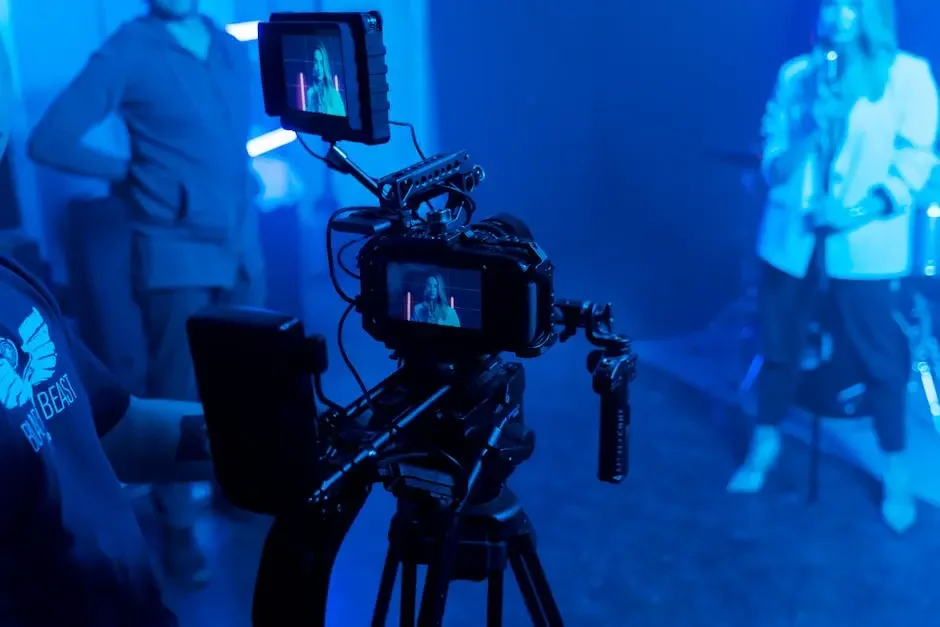
The Vision: Conceptualizing a Music Video
Every great music video starts with a vision. This section will discuss how artists and directors collaborate to create a compelling narrative or visual theme that complements the song. We'll explore the importance of storyboards and initial brainstorming sessions.
Understanding the song's emotional landscape is crucial for conceptualization. This is where the unique synergy between the artist's intent and the director's creative interpretation comes into play. For instance, consider how a somber ballad might invoke a stark, minimalist visual style, while an upbeat pop track may be represented with vibrant colors and dynamic shapes. Each decision made during these early stages sets the foundation for what lies ahead.
As part of this process, mood boards often become vital tools. A mood board is essentially a collage of images, colors, and textures that communicates the intended aesthetic. They act as a visual guide, helping the team to align their creative vision. Collaboration here is key; it’s a space where ideas can be explored freely, often leading to unexpected innovations that enhance the final product.
Ultimately, conceptualizing a music video is like building the skeleton of a story waiting to be fleshed out. From brainstorming sessions to sketching out rough storyboards, this crucial phase is where the magic truly begins.
The Magic of Filming: Techniques and Styles
Once the concept is set, it's time to bring it to life. This part will cover various filming techniques, including camera angles, lighting, and shot composition. We’ll also touch on different styles from performance-based to narrative-driven videos.
Filming is an exhilarating experience, filled with both challenges and victories. Directors and cinematographers utilize various camera angles to evoke specific emotions or highlight critical moments. A sweeping crane shot, for instance, can create a feeling of grandeur, while a close-up can draw viewers into an artist's emotional expression. Each decision significantly impacts how the audience engages with the music and visuals.
Lighting is another essential element in music video production. It can set the entire tone of a scene and influence the viewers’ perceptions. Techniques vary widely, from soft, diffused lights that create a dreamy ambiance to harsh, dramatic lighting that intensifies tension. Often, it’s about capturing the right mood that complements the music, seamlessly weaving sound and vision together.
In addition to traditional filming techniques, many music video productions are now experimenting with innovative styles. For example, some choose to incorporate animation or digital effects, transforming the viewing experience into something otherworldly. Others might opt for a documentary format, providing an authentic glimpse into the behind-the-scenes world of the music industry. This creativity keeps viewers engaged and sets trends for what’s considered avant-garde in music video production.
The Role of Editors: Crafting the Final Cut
Editing is where the real magic happens. This section will explain how editors piece together footage, add effects, and enhance the visual storytelling. We'll discuss software used in the industry and the creative decisions that shape the final product.
An editor's role is multifaceted and absolutely critical. After days or weeks of filming, they dive into hours of footage, sifting through every clip to find those moments that will resonate most with the audience. Using industry-standard software like Adobe Premiere Pro or Final Cut Pro, these skilled professionals piece together the narrative, ensuring that each shot flows seamlessly into the next. It's a painstaking yet rewarding process aimed at crafting a compelling story.
One of the most significant challenges in editing is determining the pacing of the video. A fast-paced pop song may require rapid cuts and quick transitions, while a melancholic ballad might lend itself to longer shots that linger on the emotional expressions of the performers. The editor becomes the storyteller, using rhythm and timing to enhance the overall impact of the music. This is where sound and visuals are meticulously forged into a cohesive entity, entertaining and moving the audience.
Furthermore, effects like color grading can dramatically alter the mood of a video. Editors implement these techniques to enhance specific colors or create filters that match the vibe of the song. This attention to detail helps to evoke feelings that elevate the music experience, making every frame visually stunning and just as captivating as the audio.
Behind the Scenes: The Teamwork Required
A successful music video is the result of collaborative efforts from a diverse team including directors, producers, cameramen, stylists, and editors. This section will highlight the different roles and how effective communication fosters creativity.
Behind every great music video is a well-oiled machine of collaboration. Each member of the crew plays a specific role, contributing unique skills and perspectives. For instance, directors bring the artistic vision, while producers handle logistics and budgeting. This collaboration ensures that everything runs smoothly, from casting to the final cut. Each role intersects, creating a vibrant tapestry of creative ideas, where everyone’s input helps shape the outcome.
Moreover, effective communication can elevate a project. Open dialogue allows for brainstorming and problem-solving. In moments of creative conflict, it’s often the synergy of ideas that leads to the breakthrough moments. For instance, a stylist's vision may inspire a new look for the artist that hadn't been considered before, while a cinematographer's suggestion can lead to innovative camera techniques that enhance storytelling.
Additionally, teamwork extends beyond just the crew on set. Influences come from a broader community of creatives, including choreographers, makeup artists, and sometimes even fans. Inviting various perspectives can result in a music video that speaks on multiple levels, resonating with a wider audience and leaving a lasting impact.
The Impact of Music Videos: Trends and Evolution
Music videos have evolved significantly over the decades. This section will explore how technology, social media, and changing audience expectations have influenced the production and content of music videos today.
The evolution of music videos mirrors advancements in technology and shifts in cultural norms. In the early days, music videos were often simple performance clips, usually filmed in studios. Fast forward to today's digital age, and we see extensive use of CGI, animation, and even interactive elements, pushing the boundaries of creativity. As technology evolves, so do the possibilities, offering artists and filmmakers new tools to tell their stories.
Social media platforms have also transformed how music videos are consumed and shared. Gone are the days when videos were primarily showcased on television. Now, they can reach millions within hours through platforms like YouTube and TikTok. This accessibility has led to an increase in engagement, allowing fans to connect with their favorite artists in new ways. Moreover, viral trends often dictate the direction of music video production, as artists adapt their styles to fit audience preferences.
Yet, with this evolution comes an important note about authenticity. Today's viewers often seek genuine connections with their favorite artists. As much as visuals matter, the underlying message and sincerity of storytelling have gained prominence. This shift prompts artists to consider not only how to impress but also how to resonate deeply with their audience, creating music videos that are both visually appealing and emotionally impactful.
The Harmonious Blend of Sound and Vision
As we've explored, the production of a music video is a multifaceted process that blends creativity, technology, and teamwork. Each step, from concept development to post-production, plays a vital role in crafting a visually stunning narrative that enhances the song. We hope this glimpse into the magic of music video production inspires you to look beyond the surface of your favorite music videos.