Exploring the Art of Documentary Videographer in Miami's Vibrant Scene
Miami's vibrant culture and diverse communities provide a rich backdrop for storytelling through the lens of a documentary videographer. This art form not only captures the essence of life in this bustling city but also sheds light on the untold stories that shape its identity. In this blog, we'll delve into what it means to be a documentary videographer in Miami, explore the techniques used to create compelling narratives, and highlight the unique experiences that come with the job.
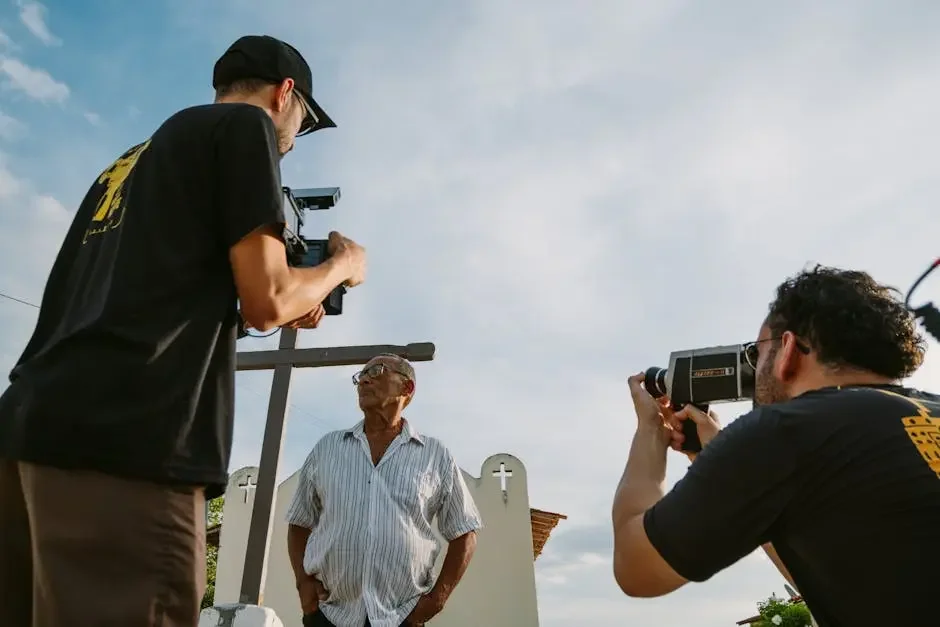
The Role of a Documentary Videographer
A documentary videographer serves as a storyteller, documenting real-life events and experiences. Understanding this role is crucial to appreciating the art and impact of their work.
In a city as dynamic as Miami, the job of a documentary videographer goes beyond mere observation. It requires an inherent curiosity and the ability to connect with diverse communities. Each project demands a unique approach, melding creativity with ethics—after all, you're not just capturing images; you're capturing lives. With each frame, a videographer holds the responsibility to tell stories that may otherwise remain hidden in the bustling streets of Miami.
This is especially true when it comes to working with vulnerable populations. A successful documentary videographer learns to navigate these interactions delicately, ensuring that the stories shared are authentic and respectful. Sometimes, the most poignant moments come from small, unscripted conversations—those fleeting interactions that reveal the heart of Miami’s multicultural essence.
Techniques for Capturing Authentic Stories
From the importance of planning and research to the art of capturing spontaneous moments, this section will break down the techniques that help convey authenticity in documentary videography.
The journey often begins with thorough research. A documentary videographer frequently spends time getting to know the community, understanding their culture, and listening to their stories. This groundwork fosters authenticity, but when paired with technical skills like lighting and framing, the results can be truly magical. The most compelling pieces often combine pre-planned shots and unscripted moments, showcasing both the artist's vision and the raw, beautiful unpredictability of life in Miami.
Another key technique lies in the art of observation. A good videographer is always attentive, catching moments that might escape the untrained eye. It's essential to remain invisible during shoots, allowing subjects to be themselves naturally. Careful composition and editing then shape these moments into a coherent narrative. Here, the power of storytelling truly shines—it's about weaving together the threads of individual stories into a rich tapestry that reflects the broader Miami experience.
Moreover, using a variety of equipment also plays a significant role in capturing these stories. It’s not just about having the latest camera; understanding the nuances of sound recording or using drones to offer new perspectives can elevate a project dramatically. Each tool in a videographer's arsenal serves a purpose, contributing to a more immersed experience for the audience.
Highlighting Miami's Diverse Communities
Miami is home to a multitude of cultures and stories. This section will explore how documentary videographers can effectively represent these diverse communities and their unique narratives.
The multicultural fabric of Miami isn’t just a backdrop—it's integral to the stories waiting to be told. From the lively streets of Little Havana to the serene beaches of Miami Beach, each neighborhood possesses its own identity, rich with history. Documentary videographers have the unique opportunity to shine a spotlight on these various narratives, presenting their viewers with a window into lives often left unexplored. Empathy and understanding are vital as they approach each new story—asking questions, listening intently, and allowing space for the subject's voice.
Moreover, collaboration is a key component in effectively representing these communities. Videographers often work with local artists, musicians, and activists, ensuring that the stories portrayed are not just authentic but resonate deeply with those involved. By engaging with the community, they open themselves to a transformative experience—one that enriches the storytelling process and fosters a sense of ownership within the subjects. After all, at the heart of documentary work is a commitment to uplifting voices that have something valuable to say.
In exploring Miami’s varied landscapes, videographers often capture spontaneous moments that depict the city’s vibrancy—a lively salsa dance in the street, a heartfelt conversation shared over café con leche. These genuine interactions breathe life into the footage, making the stories not just viewed but felt. Through their lenses, they translate the soul of Miami into engaging narratives that challenge stereotypes and invite understanding.
The Emotional Impact of Documentary Filmmaking
Documentaries have the power to evoke emotion and provoke thought. Here, we'll discuss how videographers create connections with their audience through emotive storytelling.
The emotional journey of documentary filmmaking is multifaceted and deeply personal. A documentary videographer doesn't just aim to relay facts; their goal is to elicit feelings, fostering a connection between the subject and the audience. That’s why storytelling often relies on personal narratives—audiences are drawn to the human experience, searching for reflections of their own lives in the stories presented. Each heart-wrenching moment or joyous celebration on screen serves as a bridge, facilitating empathy and awareness across diverse experiences.
Consider, for instance, the use of poignant music paired with compelling imagery. Music can amplify the emotional weight of certain scenes, immersing the viewer in a profound experience. A well-crafted score—whether serene or intense—adds layers to the story, creating memory hooks that linger long after viewing. Coupled with effective editing, these elements transform a collection of clips into a moving narrative that speaks to the heart.
Ultimately, the goal is to invite viewers into a shared space where they can find meaning in unfamiliar lives. By weaving together narratives that evoke laughter, tears, or even moments of discomfort, documentary videographers challenge audiences to think critically about the world around them. Such authenticity encourages reflection, inspiring change and fostering compassion in a shifting cultural landscape.
Navigating Challenges in the Field
Every project comes with its set of challenges. This section will address common obstacles faced by documentary videographers in Miami, as well as tips to overcome them.
Documentary videography is not without its hurdles. From fluctuating weather conditions to challenges in gaining trust from subjects, each shoot presents unique circumstances. For example, the unpredictability of Miami’s weather could turn a sunny day into a downpour—forcing videographers to adapt on-the-fly or rethink their shooting plans entirely. This adaptability is crucial in the field, allowing for creativity to flourish even under pressure.
Another common challenge involves gaining the cooperation of subjects. Earning trust takes time and patience—many individuals might be skeptical or shy when approached by a camera. Engaging in casual conversations and showing genuine interest in their stories often helps break the ice. Building rapport can have a significant impact on the quality of footage, as comfort leads to more natural expressions and authentic moments.
Moreover, logistical challenges such as budgeting effectively also play a critical role in ensuring project success. Planning ahead, keeping finances transparent, and maintaining open communication about budget constraints can alleviate stress. Successful videographers often collaborate with local organizations to secure resources, making projects more feasible while fostering a sense of community involvement.
Future Trends in Documentary Videography
As technology evolves, so too does the art of documentary filmmaking. We'll explore emerging trends and how they influence the storytelling landscape in Miami.
In today’s ever-changing digital landscape, documentary videographers must keep pace with technological advancements. For instance, the rise of immersive storytelling techniques, such as virtual reality (VR), opens up new frontiers for engagement. Imagine experiencing a documentary not just as a viewer but as a participant, walking through vibrant Miami neighborhoods alongside its diverse residents. This technological shift invites audiences to experience the stories in profound new ways, deepening the connection to the subject matter.
Social media platforms also play a significant role in the distribution of documentaries. They empower filmmakers to directly engage with audiences, allowing stories to spread like wildfire and provoke immediate conversations. Short-form content tailored for platforms like Instagram or TikTok can reach a younger audience, making these narratives more accessible and relevant. As a result, it's vital for documentary videographers to adapt their strategies to remain impactful in online spaces while retaining the essence of storytelling.
Finally, the emphasis on diverse voices continues to grow. Increasingly, audiences are seeking authentic representation—demanding to hear from storytellers originating from within the communities depicted. This trend signifies a shift towards inclusivity, encouraging filmmakers to center their perspectives on authenticity and respect. Embracing this collaborative approach enriches documentaries and empowers diverse communities by affirming their unique experiences.
Final Thoughts on Documentary Videography in Miami
Embarking on the journey of a documentary videographer in Miami is as exhilarating as it is rewarding. The stories waiting to be told are endless, and each video captures a moment in time that resonates long after the camera stops rolling. By embracing the city's vibrancy and complexities, videographers can continue to enlighten audiences and preserve the rich cultural tapestry of Miami.