15 Ways to Enhance Your Portrait Photography Skills
Are you ready to take your portrait photography to the next level? Whether you're a beginner or looking to brush up on your skills, there are countless techniques to explore. This guide will share fifteen actionable tips that can dramatically improve your portraits. From understanding lighting to engaging with your subjects, let's dive into the world of portrait photography and unlock your creative potential!
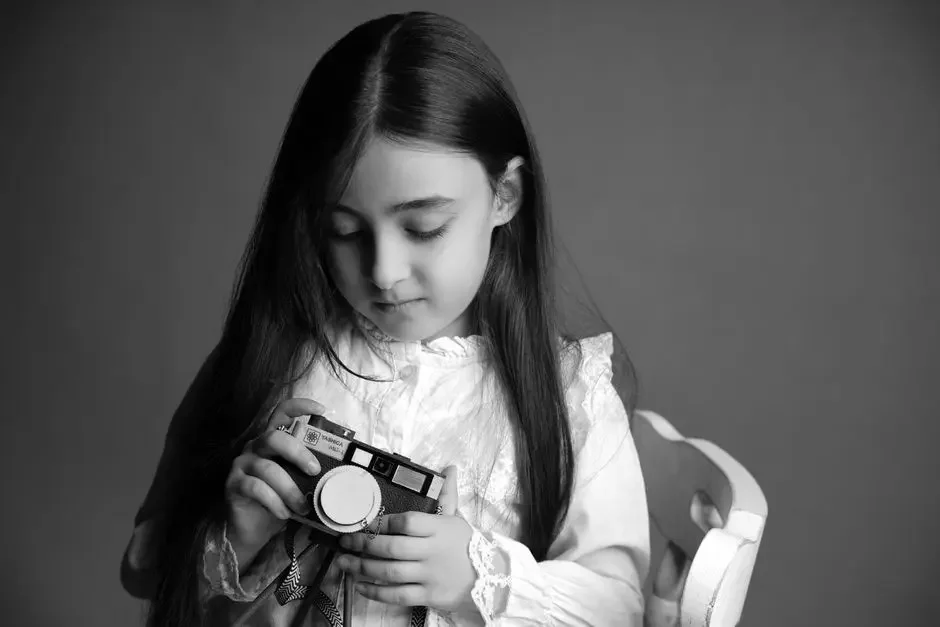
1. Understanding Lighting Techniques
Lighting can make or break a portrait. Proper illumination not only highlights your subject but also sets the mood of the photograph. Explore the differences between natural and artificial light, and learn how to position your subjects for the best effect. For instance, shooting during the golden hour, just after sunrise or before sunset, can provide warm, flattering light. Conversely, experimenting with artificial light sources like flash or continuous LED lights gives you more control over your environment.
Don't forget to consider the direction of light as well. Side lighting can create intriguing shadows and depth, while frontal lighting tends to flatten the image. Understanding the nuances of light direction will greatly enhance your portrait's expression. Remember, the slightest shift can change everything, so be mindful of the angles from which you're shooting.
2. Choosing the Right Background
The background plays a crucial role in portrait photography. Selecting the right backdrop complements your subject without stealing the spotlight. Simplistic backgrounds often work best, allowing your subject to shine. Think about locations with muted colors or textures that add depth without distraction.
Also consider how the background interacts with your subject’s wardrobe. Clothing choices can be enhanced or hindered by what’s behind them; a bright, busy background might clash with an outfit’s intricate patterns. Using a wide aperture to blur the background can help in focusing attention back on your main subject, creating a beautiful bokeh effect.
3. Engaging with Your Subject
Building rapport with your subjects is essential for capturing genuine expressions. If your subject feels comfortable, that's reflected in the photo. Start by initiating a conversation; ask about their interests or preferences. This connection can provide moments of genuine laughter or relaxed poses that manifest in the final image.
In addition to verbal communication, nonverbal cues are vital. Smile, maintain eye contact, and demonstrate enthusiasm; these actions encourage your subject to reciprocate with warmth. Sometimes, it's the smallest gestures that lead to the most captivating portraits.
4. Utilizing Composition Techniques
In portrait photography, mastering composition techniques is key to creating visually stunning images. Explore the rule of thirds: placing your subject off-center can make your portrait more engaging. Leading lines can guide the viewer's eye directly to your subject, enhancing focus.
Don't underestimate the power of framing either. Look for natural frames within your environment, like doorways or branches. By incorporating these elements, you can add depth to the image while enriching its storytelling capabilities. Every choice in composition contributes to the narrative your photograph conveys.
You might also want to experiment with symmetry and balance. While asymmetrical compositions can create tension and draw attention, symmetrical frames can evoke harmony. The beauty of portrait photography lies in experimenting with these various techniques until you find your signature style.
5. Mastering Depth of Field
A shallow depth of field can transform a standard portrait into something breathtaking. This technique allows you to isolate your subject, blurring the background and keeping the focus where it belongs. To achieve this, use a wide aperture, such as f/1.8 or f/2.8. The resulting image will draw the viewer's eye directly to the subject, enhancing expression and detail.
However, be aware that a shallow depth of field comes with its challenges. It requires precision; your focus point must be spot on. If the subject’s eyes are out of focus, the entire portrait can lose impact. Practice is essential—experiment with various distances and apertures to find the sweet spot that works best for your shooting style.
6. Exploring Different Angles
Experimenting with angles opens up a world of creative possibilities. The angle from which you shoot can dramatically alter the narrative of your portrait. By going low, you can create a sense of power in your subject; from above, a sense of vulnerability. Each shift in perspective brings a different emotional quality to the image.
Don't shy away from tilting your camera either. Off-kilter angles can add a dynamic quality and excitement to the portrait, especially in more candid or dramatic contexts. The goal is to capture authentic moments that resonate with the viewer, offering them a fresh take on your subject.
7. Incorporating Props and Accessories
Props can add layers of interest to your portraits. They can tell stories about your subject or even enhance the overall mood of the image. Whether it’s a cherished item like a guitar or a playful accessory like a hat, the right prop can serve as a conversation starter and naturally elicit genuine expressions from your subject.
When choosing props, think about their relevance to your subject. Consider the mood you wish to convey and select items that align with that vision. A child with a bright balloon may evoke joy and innocence, while an artist with their tools can tell a story of creativity and passion. The integration of props should always feel organic—not forced.
8. Paying Attention to Wardrobe Choices
The right clothing can significantly elevate a portrait. Understanding how color, patterns, and textures influence the overall look of your image is essential. Solid colors often work well; they won't distract from the face and help maintain focus on the subject's expression.
Patterns can be tricky; while they can add interest, they can also be overwhelming. It’s important to strike the perfect balance to ensure that your subject remains the focal point. Additionally, think about the textures of the fabric. A soft sweater or rugged denim can evoke different emotions and convey a certain vibe—a polished look versus a casual one can tell entirely different stories.
9. Harnessing Color Theory
Color can evoke emotions and set the tone of your portrait. Harnessing color theory effectively can enhance your photographs tremendously. Consider the color wheel: complementary colors create contrast and vitality, while analogous colors provide harmony and cohesiveness. Using these principles can help you design portraits that resonate deeply with viewers.
Pay attention to the psychological impact of colors as well. A warm palette—reds, oranges, yellows—often evokes feelings of warmth and excitement, while cool colors—blues, greens, purples—tend to be calming. Think about the story you're telling with your portrait and the emotions you wish to evoke—this will guide your color choices effectively.
10. Using Natural Elements
Incorporating natural elements like trees, flowers, or water can add depth to your portraits. Not only do they provide beautiful aesthetics, but they also create a more dynamic backdrop for your subject. Outdoor shoots present a multitude of options; the more you explore, the more unique compositions you can create.
In addition to environmental factors, consider using the weather to your advantage. Overcast days can provide soft, diffused light, while bright sunlight can create deep shadows. Learn to work with the environment rather than against it. This adaptability will lead to more impactful portraits that tell a richer story.
11. Refining Your Editing Skills
Editing is an essential part of photography. Mastering this aspect can significantly elevate your portrait quality. Start with simple adjustments—balancing exposure, contrast, and saturation are foundational skills every photographer should refine. Software like Lightroom or Photoshop offers numerous tools to perfect your images.
However, remember not to over-edit. Each photograph should retain its authenticity. Strive for a look that enhances your subject without overshadowing them. Learn the art of subtlety in editing; sometimes, less is more. Your goal should be to maintain the integrity of the portrait while highlighting its best features.
12. Experimenting with Lighting Setups
Explore various lighting setups like Rembrandt, butterfly, and broad lighting. Each brings a different mood and can drastically change the feel of your portraits. Rembrandt lighting, for instance, creates a classic look, offering depth and a bit of drama. In contrast, butterfly lighting is great for highlighting cheekbones and creating a soft, flattering glow.
Don't hesitate to mix different light sources as well; combining ambient light with fill light can create a more rounded effect. Practice with these various setups to discover what works best for your style and the subjects you shoot. The beauty of portrait photography lies in continuous exploration.
13. Learning from the Masters
Find inspiration from renowned portrait photographers. Their mastery can provide invaluable lessons. Study their work closely to understand the techniques, compositions, and lighting they use. Many artists have YouTube channels or blogs where they share insights about their creative process, offering an inside look that can ignite your own inspiration.
Additionally, consider participating in workshops or online courses. Learning directly from skilled photographers can offer nuance and individualized feedback that books or articles alone can't provide. Keep your mind open to different perspectives; sometimes, the best ideas come from collaboration or learning something entirely outside your comfort zone.
14. Receiving Constructive Feedback
Feedback is vital for growth. Constructive criticism can open your eyes to areas needing improvement and highlight strengths you might overlook. Engage with fellow photographers, whether through social media, local photography clubs, or online forums. Share your work and ask for honest feedback; this communal approach can provide rich dialogue that enhances your skills.
However, don't let negative feedback discourage you. Instead, use it as a stepping stone towards betterment. Learn to differentiate between personal taste and constructive advice. Trust your instincts, but be flexible; adapting is part of the artistic journey, and every piece of feedback is an opportunity for growth.
15. Keeping a Photography Journal
Documenting your shoots, techniques, and experiences can provide invaluable insights into your growth as a photographer. A photography journal allows you to track your progress, noting what works and what doesn't. Reflecting on your creative journey can illuminate patterns in your work, fostering both self-awareness and creative evolution.
In addition, maintaining a journal can inspire new ideas. Sometimes, revisiting your thoughts or sketching out ideas can lay the groundwork for your next session. It's a simple yet effective way to remain proactive about your craft and continue learning every step of the way.