The Essentials of Lighting and Composition in Portrait Photography
Portrait photography is an art that captures the essence of individuals, their emotions, and their stories through the lens. Understanding the essentials of lighting and composition is key to creating compelling images that resonate with viewers. In this blog, we will explore how to effectively use light and composition to elevate your portrait photography skills.
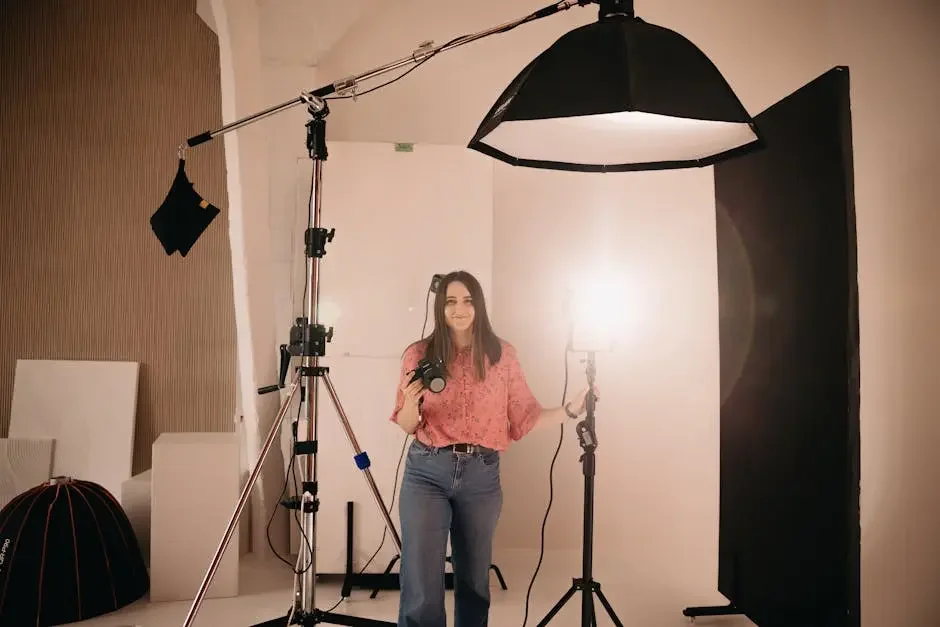
Understanding the Role of Light in Portrait Photography
Light is the cornerstone of photography. In portrait photography, understanding natural light versus artificial light can significantly impact your images. This section will delve into how different lighting conditions affect mood and tone.
When photographers use light effectively, they can evoke emotion and highlight the personality of the subject. For instance, soft, diffused light creates an inviting and gentle feel, perfect for capturing intimacy, while harsh shadows can add drama and strengthen the subject's character. It's important to experiment with various light sources, from the gentle caress of evening sun to the stark contrasts of midday, to discover what best complements your unique style.
Another aspect to consider is directionality. Front lighting illuminates the face evenly, minimizing shadows, which can be ideal for beauty shots or professional headshots. Conversely, sidelight adds depth and dimension, helping to sculpt the features of your subject. Likewise, backlighting can serve to create a dreamy effect, often producing a lovely halo around your subject, enhancing their visual storytelling.
Natural Light: Harnessing the Sun for Stunning Portraits
Natural light can be your best friend. From golden hour to overcast days, learn how to use natural sunlight to your advantage, creating flattering and dynamic portraits.
The golden hour, occurring just after sunrise and before sunset, is coveted by portrait photographers for a reason. The warm tones and soft shadows allow for beautifully illuminated subjects, creating that magical, almost ethereal quality that every photographer dreams of. Don't hesitate to schedule your shoots around these times to harness the best light possible.
On overcast days, diffused light can work wonders by eliminating harsh shadows and offering an even glow across your subject's face. This is the perfect time to explore outdoor locations without worrying if the sun will wash out your images. In fact, cloudy days can sometimes yield some of the most stunning portraits, revealing genuine expressions without light distractions. Remember that adaptability is key; always keep an eye on the weather and be prepared to adjust your plans as needed.
Moreover, never underestimate the importance of reflectors! A simple, portable reflector can bounce sunlight back onto your subject, enhancing their features without overwhelming them with harsh light. By manipulating natural light in these ways, you can dramatically elevate the quality of your portrait photography.
Artificial Light: The Power of Flash and Continuous Lighting
Artificial lighting opens up a world of creative possibilities. Discover how to use flash and continuous lights to shape your portraits, control shadows, and highlight features.
Flash is not merely a tool for filling in shadows; it's a means of sculpting your subject. The ability to manipulate the intensity and direction of flash can transform a flat image into one that feels dynamic and engaging. Mastering techniques such as bounce flash or off-camera flash can add a professional edge to your portraits. Angling the flash towards walls or ceilings can diffuse the light, resulting in a more natural look while still utilizing the benefits of artificial sources.
When it comes to continuous lighting, there are several options available—LEDs, tungsten, and fluorescent. Continuous light sources allow you to see how the light interacts with your subject in real time; this is particularly advantageous for beginners who are still learning how to read light. Adjustments can be made on the fly, making it easier to achieve desired outcomes without guesswork.
Consider experimenting with colored gels or modifiers to influence your lighting scheme further. Whether you're aiming for a dramatic effect with shadows or a soft pastel look, altering the color temperature or quality of the light can take your portraits to new heights. Remember, the goal is not only to illuminate but also to create an atmosphere that resonates with the viewer.
The Basics of Composition in Portrait Photography
Composition is about arranging elements within your frame. This section will cover techniques such as the rule of thirds, leading lines, and framing to enhance the impact of your portraits.
The rule of thirds is a foundational principle that divides your frame into a grid of nine sections. Placing your subject along these lines or at their intersections draws the viewer's eye and creates a compelling visual balance. This simple guideline can drastically enhance the aesthetic appeal of your images, allowing for a more engaging viewing experience.
Additionally, consider using leading lines to draw attention toward your subject. Paths, fences, or even shadows create natural lines that guide the viewer’s gaze. Not only do they enhance depth in your images, but they also encourage a sense of journey and exploration.
Framing is another powerful tool in your compositional toolkit. Utilize foreground elements, such as trees or doorways, to frame your subject and add depth to your portrait. This technique guides the viewer's eye directly to your subject and enhances the overall story you wish to convey. Each choice you make within the frame is integral to the narrative.
Using Backgrounds to Enhance Your Portraits
The background can make or break a portrait. Learn how to choose or create backgrounds that complement your subject and add depth to your images.
A cluttered background can distract from the subject, while a thoughtfully chosen one can result in narratives that elevate your work. Consider both color and texture; vibrant backdrops can infuse energy, while soft, muted tones allow the subject to shine. When scouting for locations, think about how every aspect of the setting can work together to tell a more cohesive story.
Moreover, backgrounds aren’t just physical locations. They can be created using props and layered elements that contribute to the overall aesthetic. A simple clean wall can be transformed with seasonal elements—flowers, drapes, or thematic decor. This not only adds interest but also lends a personal touch that can resonate with viewers.
Pay attention to the relationship between your subject and the background. For instance, using depth of field can help blur the background to maintain focus on your subject, while still providing context. Remember, a well-chosen background should integrate seamlessly into your composition rather than stand out awkwardly.
Focusing on Your Subject: The Art of Connection
A successful portrait isn't just about lighting and composition; it's also about capturing genuine expressions. Explore tips for connecting with your subjects to create more compelling and emotive portraits.
Building rapport with your subject can drastically alter the outcome of your portrait. Start by engaging in conversation to help them feel at ease; ask about their interests or share a bit about yourself to create a comfortable atmosphere. The more natural the interaction, the more authentic their expressions will be.
Encourage movement or playful actions—sometimes, the best portraits arise from candid moments where subjects aren’t overly posed. Invite them to laugh or express themselves freely; genuine emotions often lead to breathtaking images that resonate with viewers on a deeper level.
Finally, be an attentive observer. Notice the little things about your subjects—their body language, the way they smile, or the flicker of their eyes. These subtle nuances can convey emotion more powerfully than any carefully constructed pose. This way, each portrait becomes a unique exploration of the individual’s essence, inviting viewers into their story.
Bringing It All Together
Mastering the art of lighting and composition is not just about technical skills; it's about observing the world around you and creating images that tell a story. Whether you're a beginner or looking to refine your techniques, remember to experiment and have fun. Embrace the challenges, and your portraits will reflect the beauty of your unique perspective.