

8 Tips for Choosing the Right Documentary Videographer in Miami

1. Understanding the Importance of a Skilled Visual Storyteller
When embarking on a documentary project, the role of a videographer is paramount. A skilled visual storyteller can capture the essence of your story through moving images, bringing depth and emotion to your narrative. Documentaries thrive on authenticity, and a videographer's ability to convey the truth through their lens is crucial.
The power of visual storytelling cannot be underestimated. It has the ability to evoke strong emotions, provoke thoughts, and inspire change. A skilled documentary videographer understands the nuances of storytelling through visuals, using light, composition, and editing techniques to create a compelling narrative that resonates with the audience.
In the world of documentary filmmaking, visuals speak louder than words. A talented videographer has the knack for capturing raw emotions, intimate moments, and authentic interactions. They can transform a mundane scene into a visually captivating story that holds the viewer's attention and leaves a lasting impact.
2. Experience Matters: Why You Should Prioritize Expertise
When choosing a documentary videographer in Miami, experience should be a top consideration. An experienced videographer brings a wealth of knowledge and expertise to your project, ensuring that every shot is meticulously planned and executed. From handling various lighting conditions to directing intricate scenes, experience plays a pivotal role in the success of your documentary.
Seasoned videographers have honed their craft over years of practice. Their experience allows them to anticipate moments, adapt to unforeseen challenges, and deliver high-quality footage consistently. By prioritizing expertise, you can rest assured that your documentary is in capable hands, ready to shine on screen.
Documentary filmmaking requires a level of finesse that only comes with experience. An experienced videographer understands the nuances of working in diverse settings, handling different subjects, and weaving together a compelling narrative. Their expertise not only enhances the visual quality of your documentary but also elevates its storytelling impact.
3. Finding the Right Fit: Matching Styles and Visions
When selecting a documentary videographer for your project, it's essential to find a professional whose style and vision align with yours. Every videographer has a unique approach to storytelling, and finding a match enhances the collaborative process. Look for a videographer who shares your passion for the subject matter and understands your creative vision.
A successful documentary often stems from a harmonious collaboration between the filmmaker and the videographer. When their styles and visions complement each other, magic happens on screen. Your documentary gains a cohesive visual identity that reflects your shared artistic sensibilities, creating a more profound connection with your audience.
The synergy between the filmmaker and the videographer is evident in the final product. When styles and visions align, the storytelling becomes seamless, and the audience is drawn into the narrative effortlessly. By finding the right fit for your project, you lay the foundation for a documentary that not only entertains but also enlightens and inspires.
4. Budgeting Wisely: Balancing Cost and Quality
Budget considerations play a significant role in choosing a documentary videographer. While it's essential to stick to your budget, compromising on quality for a lower price can impact the overall outcome of your film. Strive to find a balance between cost and quality, ensuring that you get the best value for your investment.
Quality videography is an investment that pays off in the long run. Cutting corners on production costs may save money initially, but it can compromise the visual appeal and professionalism of your documentary. Remember that quality videography elevates the production value of your film, making it a worthwhile expenditure for a compelling end result.
When budgeting for your documentary, prioritize quality without overlooking the financial constraints. A reputable videographer will work with you to find creative solutions that meet your budgetary needs without sacrificing the overall quality of the project. By balancing cost and quality wisely, you set the stage for a successful documentary production.
5. Location Scout: The Impact of Shooting Locations
The choice of shooting locations can significantly influence the visual narrative of your documentary. Whether capturing the essence of Miami's vibrant streets or delving into the tranquility of its natural landscapes, the right locations set the tone for your storytelling. A skilled videographer knows how to maximize the potential of each location, transforming ordinary places into cinematic backdrops.
Scouting for locations is a crucial part of the pre-production process. A documentary videographer with local knowledge of Miami can recommend hidden gems, unique settings, and picturesque spots that enhance your storytelling. The right shooting locations not only add visual interest to your film but also contribute to the authenticity and richness of your narrative.
Each location tells its own story, and a talented videographer knows how to harness its visual appeal for maximum impact. From gritty urban environments to serene coastal vistas, the shooting locations serve as characters in your documentary, enriching the narrative with layers of visual context. Choose a videographer who values the significance of location in shaping your story.
6. Creative Collaboration: Communication is Key
Effective communication lies at the heart of a successful collaboration between a filmmaker and a videographer. Clear and open dialogue ensures that both parties are aligned on the creative direction, production schedule, and storytelling goals. By fostering a collaborative environment built on trust and respect, you pave the way for a seamless filmmaking process.
Creative synergy thrives when ideas are shared freely and feedback is welcomed openly. A documentary videographer who values creative collaboration brings fresh perspectives and innovative solutions to the table. Through transparent communication and constructive brainstorming sessions, you can co-create a documentary that exceeds expectations and resonates with your audience.
Collaboration is not just about working together; it's about combining talents and sharing a vision to craft something extraordinary. When communication flows effortlessly between the filmmaker and the videographer, creative sparks ignite, and the magic of storytelling comes to life. Embrace the power of creative collaboration to elevate your documentary to new heights.
7. Equipment Expertise: Ensuring High-Quality Production Value
The quality of equipment used by a documentary videographer directly impacts the production value of your film. Cutting-edge cameras, professional lighting setups, and high-quality audio gear are essential for capturing crisp visuals and clear sound. An experienced videographer understands the importance of top-notch equipment and invests in tools that enhance the overall quality of the production.
Technology plays a crucial role in modern-day videography, with advancements constantly shaping the industry. A skilled videographer stays updated on the latest equipment trends, ensuring that your documentary benefits from state-of-the-art tools and techniques. By leveraging advanced equipment expertise, you can elevate the visual aesthetics and technical polish of your film.
Attention to detail in equipment selection is a hallmark of a professional videographer. From camera lenses to microphones, each piece of gear contributes to the overall cinematic experience of your documentary. By entrusting your project to a videographer with equipment expertise, you guarantee a seamless production process and a visually stunning final product.
8. Checking References: The Power of Testimonials and Reviews
Before finalizing your decision on a documentary videographer, take the time to check references and reviews. Testimonials from previous clients offer valuable insights into the videographer's professionalism, work ethic, and creative approach. By reviewing past projects and client feedback, you can gauge the videographer's reputation and suitability for your documentary.
Online reviews and testimonials provide a glimpse into the videographer's track record and the satisfaction level of their clients. Look for consistent positive feedback, attention to detail, and a strong commitment to delivering results. The power of testimonials lies in their ability to build trust and confidence in the videographer's capabilities, guiding you towards a successful collaboration.
Personal recommendations and word-of-mouth referrals also carry weight in the selection process. Reach out to fellow filmmakers, industry peers, and professional networks for their recommendations on reputable documentary videographers in Miami. By listening to firsthand experiences and trusted referrals, you can make an informed choice that aligns with your project goals and expectations.

How to Evaluate Event Photography Pricing for Your Next Big Occasion
Planning a memorable event requires attention to detail, from selecting the perfect venue to deciding on the menu. However, one critical aspect that often gets overlooked is event photography pricing. Understanding how to assess and negotiate photography costs can make a significant difference in capturing the essence of your special occasion. Join us as we delve into the intricacies of event photography pricing and discover valuable tips on securing the best photography package for your next big event.

Understanding the Importance of Professional Photography
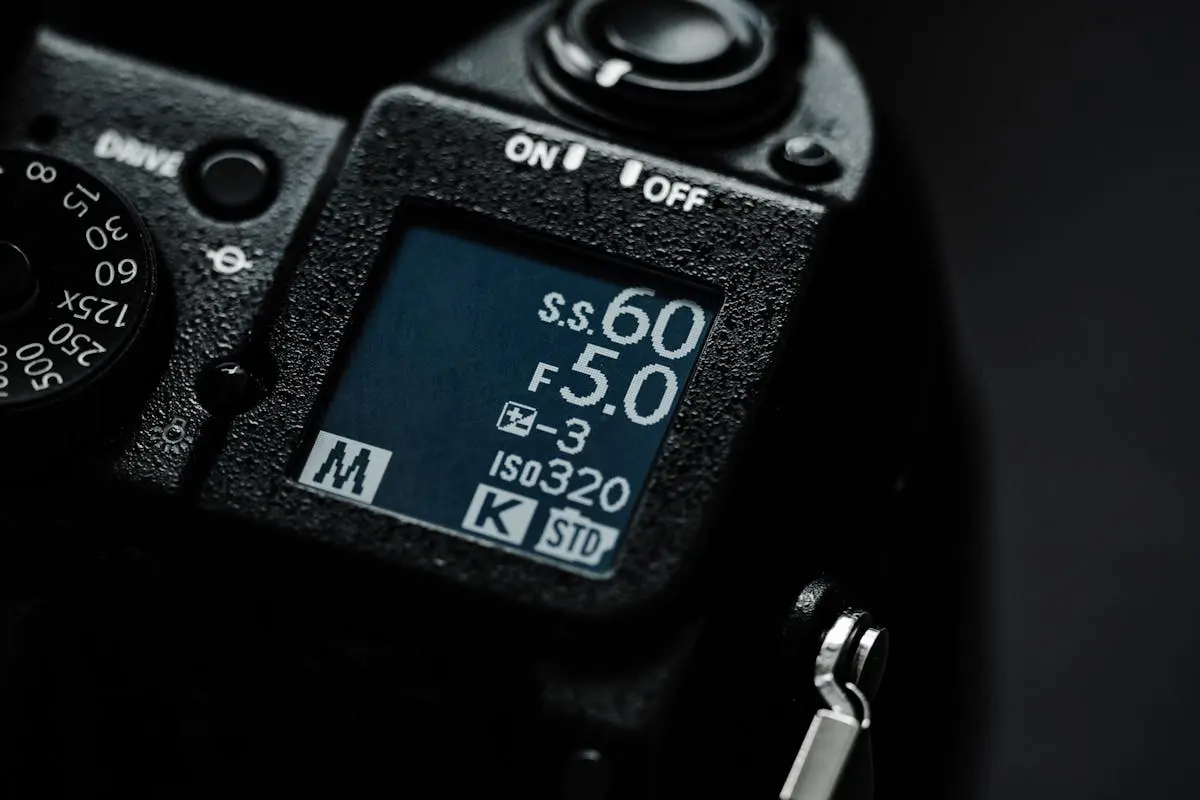
Professional photography plays a crucial role in the success of any event. A skilled photographer can capture fleeting moments, genuine emotions, and intricate details that may go unnoticed by the untrained eye. Whether it's a wedding, corporate event, or milestone celebration, investing in professional photography ensures that your memories are preserved with artistry and precision.
Moreover, professional photographers possess the technical expertise to navigate various lighting conditions, adjust camera settings on the fly, and frame shots creatively. Their trained eye can transform ordinary scenes into extraordinary compositions, adding a touch of magic to your event photographs.
Beyond technical skills, professional photographers bring a unique perspective and storytelling element to their work. They strive to convey the essence of the event through images, crafting a visual narrative that evokes emotions and encapsulates the spirit of the occasion.
Factors Influencing Event Photography Pricing

Several factors influence event photography pricing, ranging from the photographer's experience and reputation to the duration of the event and the deliverables included in the package. Experienced photographers with a strong portfolio and positive reviews often command higher rates, reflecting their expertise and quality of work.
The type of event also plays a role in pricing, as weddings and large-scale corporate events generally require more extensive coverage and post-processing compared to smaller gatherings. Additionally, the inclusion of add-on services such as photo albums, prints, and digital files can influence the overall cost of the photography package.
Furthermore, the location of the event, the complexity of the shoot, and any special requests from the client can impact pricing. Understanding these factors and how they contribute to the final cost can help you evaluate photography quotes more effectively and make informed decisions when selecting a photographer.
Comparing Different Pricing Models in the Industry
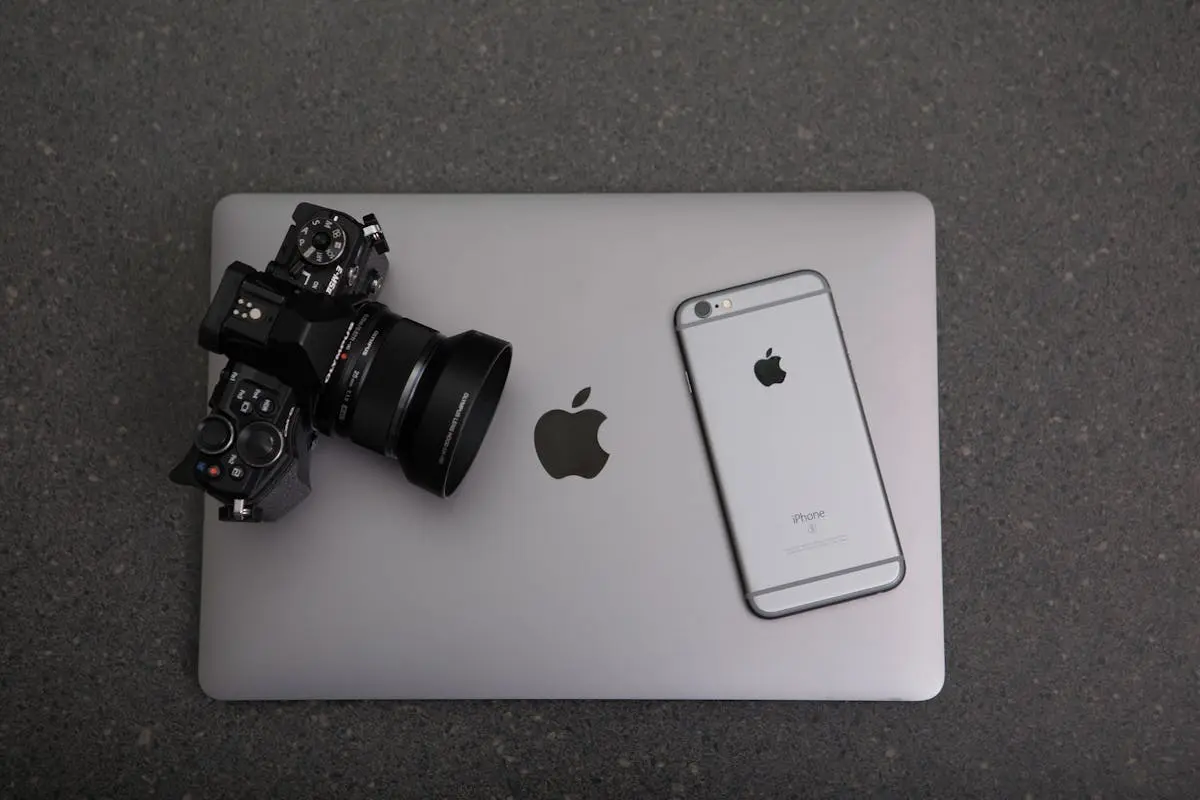
The photography industry offers various pricing models to accommodate different client needs and budget ranges. Common pricing structures include hourly rates, half-day or full-day rates, and package deals that bundle multiple services together.
Hourly rates are suitable for short events or sessions that require minimal coverage, while half-day and full-day rates are ideal for longer events that demand comprehensive photography services. Package deals often provide a cost-effective solution by combining essential services like shooting time, editing, and image delivery in a single, discounted package.
When comparing pricing models, consider the specific requirements of your event, your budget constraints, and the deliverables you expect from the photographer. By understanding the pros and cons of each pricing structure, you can choose a model that best aligns with your needs and ensures transparency in pricing.
Tips for Negotiating the Best Photography Package

Negotiating a photography package is a crucial step in securing a deal that satisfies both your budget and expectations. Start by clearly outlining your event details, preferred services, and budget constraints to the photographer. Be open to discussing customization options and finding common ground that benefits both parties.
Consider requesting a detailed breakdown of the pricing components, including any additional fees, taxes, or expenses that may apply. This transparency ensures that you understand the full cost implications and prevents unexpected surprises in the final invoice.
It's also helpful to ask for sample work, client references, and contract terms before finalizing the deal. Reviewing the photographer's portfolio, seeking feedback from past clients, and clarifying the terms of service can give you confidence in your decision and establish a positive working relationship with the photographer.
Remember, negotiation is a two-way street, so be prepared to compromise on certain aspects while prioritizing the key elements that are non-negotiable for you. By approaching the negotiation process with clarity, respect, and flexibility, you can secure a photography package that meets your needs and ensures a successful collaboration with the photographer.
The Art of Capturing Memories

In conclusion, evaluating event photography pricing is not just about the numbers; it's about finding a photographer who can immortalize the emotions and moments of your event seamlessly. By considering the factors that influence pricing, exploring different pricing models, and negotiating effectively, you can ensure that you select a photography package that aligns with your vision and budget. Remember, the right photographer will not only capture images but also create lasting memories that will be cherished for years to come.

The Art of Storytelling through Video Production
From the emotional first look to the lively dance floor, your wedding day is filled with unforgettable moments that you'll want to cherish forever. Capturing these memories through the lens of a skilled videographer adds a magical touch, turning fleeting seconds into timeless treasures. In this blog, discover how your wedding videographer weaves together storytelling, emotion, and artistry to create a cinematic masterpiece of your special day.

The Art of Storytelling Through Lens
From the gentle touch during the vows to the shared laughter on the dance floor, every moment is carefully framed to evoke emotion and convey the love story that unfolds on your special day. Through their lens, your wedding videographer transforms raw footage into a captivating narrative that captures the heart and soul of your celebration.
Using sophisticated editing techniques and a keen eye for detail, wedding videographers create a seamless flow of breathtaking visuals that engage the senses and evoke powerful emotions. Each frame is carefully curated to reflect the mood, energy, and romance of your wedding day, ensuring that every viewing is a journey back in time filled with love and nostalgia.
By infusing artistic flair and creative passion into their work, wedding videographers turn ordinary moments into extraordinary memories. Their ability to blend technical skill with emotional depth results in a visual masterpiece that not only captures the events of the day but also preserves the love, joy, and connection shared between you and your partner.
Capturing the Essence of Every Moment

Through a keen understanding of light, composition, and emotion, wedding videographers anticipate and capture pivotal moments with precision and grace. Their expertise in visual storytelling allows them to transform raw footage into a cinematic masterpiece that not only documents your day but encapsulates the spirit and sentiment of your union.
With a trained eye for emotion and authenticity, wedding videographers preserve the laughter, tears, and candid interactions that unfold organically throughout your wedding day. Their ability to anticipate moments before they happen and capture them with finesse ensures that no memory is left uncaptured, allowing you to relive the magic of your wedding day for years to come.
Turning Memories into Timeless Treasures
Through the magic of editing and storytelling, wedding videographers distill hours of footage into a cinematic highlight reel that captures the essence of your relationship and the spirit of your celebration. Their artistry breathes life into each frame, creating a visual symphony that preserves the heartwarming essence of your love story.
By blending technical expertise with creative vision, wedding videographers transform the ordinary into the extraordinary, infusing each frame with meaning, emotion, and beauty. Their commitment to excellence ensures that your wedding video transcends mere recording, becoming a cherished memento that encapsulates the love, laughter, and romance of your special day.
As you revisit your wedding video in the years to come, you'll be transported back to the laughter, tears, and joy of that unforgettable day. Reliving these cherished moments through the lens of your wedding videographer allows you to experience the magic and emotion all over again, making every frame a precious keepsake.

Fundamental of photography

Capturing the essence of photography lies in mastering the fundamentals. Explore the world where shutter speed dances with light, Aputure weaves its magic in illuminating scenes, and ISO strikes the balance between light and noise. Let's embark on a journey to unravel these key elements that form the core of photography's artistry.
Mastering the Basics: Understanding Shutter Speed

Shutter speed stands as the gatekeeper of moments frozen in time. It dictates whether a flowing stream becomes a silky ribbon or a frozen cascade. In the world of photography, mastering shutter speed is like conducting a symphony, where each adjustment adds a new note to the visual melody. Whether freezing a bird in mid-flight or painting light trails in the night sky, the control of shutter speed empowers photographers to capture the fleeting essence of life.
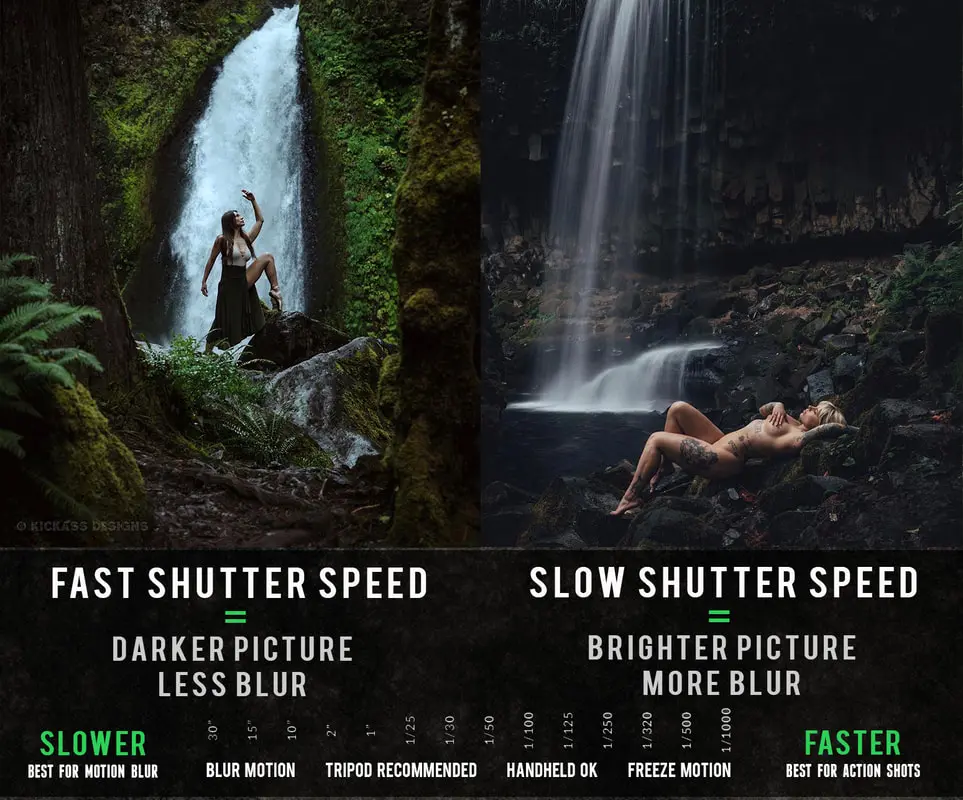
As the sun dips below the horizon, photographers harness the magic of long exposure, letting light paint its own masterpiece. With a gradual dance of Shutter Speed, the camera becomes a storyteller, weaving tales of motion and light. From serene landscapes to bustling cityscapes, each click of the shutter translates moments into visual poetry, guided by the mindful manipulation of shutter speed settings.
In the realm of sports photography, the agility of shutter speed is paramount. The swift movements of athletes, the burst of a speeding vehicle, all frozen in time by the swift blink of the camera's eye. Shutter speed becomes the tool that separates a blur of motion from a crystal-clear snapshot, showcasing the essence of movement with precision and clarity.
The Magic of Aputure: Controlling Light in Photography

Aputure, the enchantress of light, holds the key to transforming mundane scenes into captivating visual narratives. Like a maestro wielding a baton, photographers harness Aputure's luminous power to paint with light and shadow. Adjusting the Aputure settings is akin to sculpting with light, shaping the mood and ambiance of a photograph with delicate precision.
In the dimly lit corners of an abandoned building or the soft glow of a sunset, Aputure breathes life into the shadows, illuminating details and textures that might have otherwise been lost. As photographers play with Aputure's intensity, they orchestrate the interplay of light and darkness, creating a symphony of contrasts that infuse their images with depth and emotion.

The dance of Aputure's glow not only reveals the beauty of a subject but also conceals the distractions, selectively guiding the viewer's gaze. From softly diffused light that caresses a portrait to dramatic shadows that add mystery to a landscape, Aputure's spellbinding charm allows photographers to craft captivating visual stories that resonate with viewers on a profound level.
The Power of ISO: Balancing Light and Noise

ISO, the silent hero of photography, plays a crucial role in balancing the exposure triangle. Like a tightrope walker balancing between light and noise, photographers adjust the ISO settings to achieve optimal brightness without compromising image quality. From the luminous clarity of daylight scenes to the intimate glow of candlelit portraits, ISO silently ensures that every pixel speaks with clarity.
As the sun retreats beyond the horizon, photographers venture into the realm of low-light photography, where ISO becomes their trusted companion. By amplifying the camera's sensitivity to light, ISO unveils the hidden details in the shadows, allowing photographers to capture the ethereal beauty of starlit skies and nocturnal landscapes with breathtaking clarity.

Yet, the power of ISO lies not only in brightening dim scenes but also in managing the delicate dance between light and noise. By striking the perfect balance, photographers elevate their images from mere snapshots to visual poetry, where every grain adds texture, every pixel sings with clarity, and every moment is preserved in timeless elegance.
In the intricate tapestry of photography, where light weaves its stories and shadows whisper secrets, ISO stands as the silent guardian, ensuring that every image speaks with eloquence, balancing the nuances of light and noise to unveil the true essence of a scene.
Embracing the Photographic Trinity
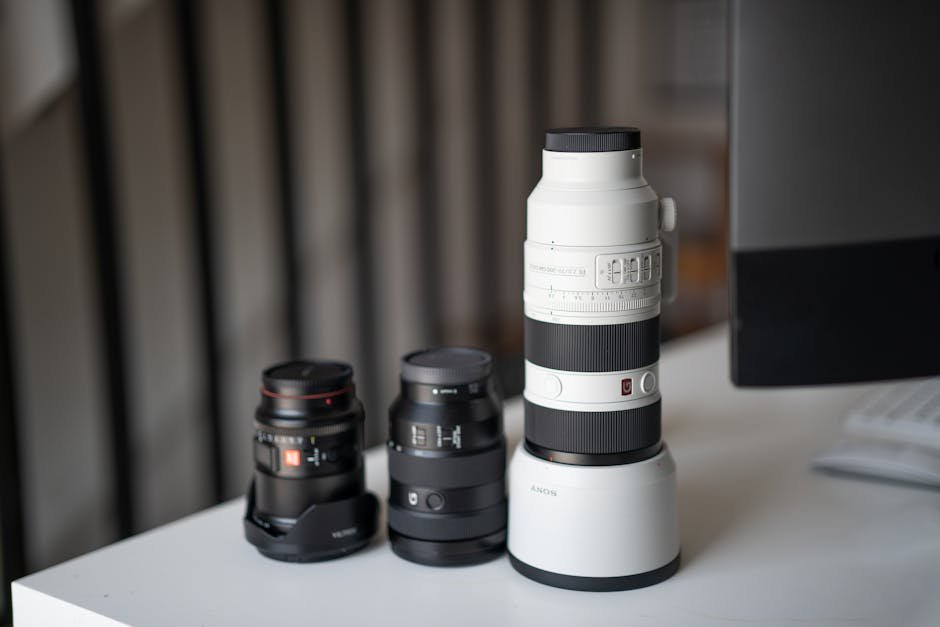
In the realm of photography, understanding the interplay of shutter speed, Aputure, and ISO is akin to wielding the painter's brush with finesse. Just as a painter blends colors to evoke emotions, a photographer harmonizes these components to create visual masterpieces. As you venture into the realm of photography, remember that these fundamentals are your allies in crafting captivating imagery. Embrace the nuances of shutter speed, harness the magic of Aputure, and find the delicate balance with ISO to paint your unique photographic story.

Canon R5 Mark2
Step into the future of photography with the all-new Canon R5 Mark2. 📸 Discover the magic of mirrorless technology, redefining what's possible in the world of photography. Let's dive into the evolution of Canon's camera lineup and explore how the Canon R5 Mark2 is revolutionizing the art of visual storytelling.

1. Evolution of Canon's Camera Lineup
Canon has a rich history of delivering top-notch cameras to photographers around the globe. From the iconic Canon EOS series to the cutting-edge mirrorless lineup, the brand has constantly pushed boundaries to meet the evolving needs of creatives. The introduction of the Canon R5 Mark2 marks another significant milestone in Canon's journey, blending innovation and tradition seamlessly.
The evolution of Canon's cameras showcases a commitment to excellence and a dedication to empowering photographers of all levels. With each new release, Canon has raised the bar for performance, image quality, and technological advancements, setting the benchmark for the industry. The Canon R5 Mark2 embodies this spirit of continual improvement, offering unmatched features and capabilities for photographers seeking perfection in every shot.
As photographers explore the Canon R5 Mark2, they embark on a visual odyssey that combines decades of expertise with groundbreaking technology. Canon's legacy of quality and innovation shines through in every detail of this new mirrorless camera, inviting photographers to capture their world with unprecedented clarity, speed, and creativity.
2. Revolutionizing Photography with Canon R5
The Canon R5 has heralded a new era in photography, redefining the possibilities of what a mirrorless camera can achieve. With cutting-edge features like high-resolution image sensors, lightning-fast autofocus, and in-body image stabilization, the Canon R5 empowers photographers to push their boundaries and capture moments with unparalleled precision.
Whether you're a professional photographer looking to elevate your craft or an enthusiast seeking to unleash your creativity, the Canon R5 delivers exceptional performance in a compact and versatile package. Its ability to capture stunning details, vivid colors, and dynamic range makes it a game-changer in the world of photography.
By combining state-of-the-art technology with intuitive design, Canon has created a camera that seamlessly integrates into the workflow of photographers, enhancing their ability to express their vision. The Canon R5 is not just a tool; it's a creative companion that empowers photographers to capture the beauty of the world with unmatched precision and clarity.
3. Unleashing Creativity with the Canon R5 Mark2
Creativity knows no bounds with the Canon R5 Mark2, a camera designed to inspire and innovate. From stunning landscapes to captivating portraits, this mirrorless marvel allows photographers to explore their imagination and push the boundaries of visual storytelling. The Canon R5 Mark2 is not just a camera; it's a gateway to a world of endless creative possibilities.
With features like 8K video recording, advanced subject tracking, and dual pixel autofocus, the Canon R5 Mark2 empowers photographers to capture moments with cinematic brilliance and unmatched clarity. Whether you're shooting stills or videos, this camera is a versatile tool that adapts to your creative vision, enabling you to bring your ideas to life with precision and artistry.
4. Mastering the Art of Mirrorless Photography
Mirrorless photography has revolutionized the way photographers approach their craft, offering a compact, lightweight, and powerful alternative to traditional DSLRs. The Canon R5 Mark2 exemplifies the pinnacle of mirrorless technology, combining state-of-the-art features with exceptional image quality to elevate the art of photography to new heights.
Photographers embracing the Canon R5 Mark2 embark on a journey of discovery and mastery, delving into a world of limitless possibilities and creative expression. With advanced features like eye-tracking autofocus, silent shooting modes, and a vast selection of RF lenses, this camera equips photographers with the tools they need to explore their creativity and capture moments with unparalleled clarity and detail.
5. Exploring the New Canon Camera Technology
The Canon R5 Mark2 stands at the forefront of camera technology, embodying the latest advancements in imaging and design. From the innovative Digic X image processor to the state-of-the-art RF lens system, every component of the Canon R5 Mark2 is engineered to deliver exceptional performance and image quality.
With features like in-body image stabilization, enhanced low-light performance, and advanced connectivity options, the Canon R5 Mark2 caters to the needs of modern photographers seeking to push the boundaries of their creativity. Whether you're shooting landscapes, portraits, or action shots, this camera provides the tools and technology to elevate your photography to the next level.
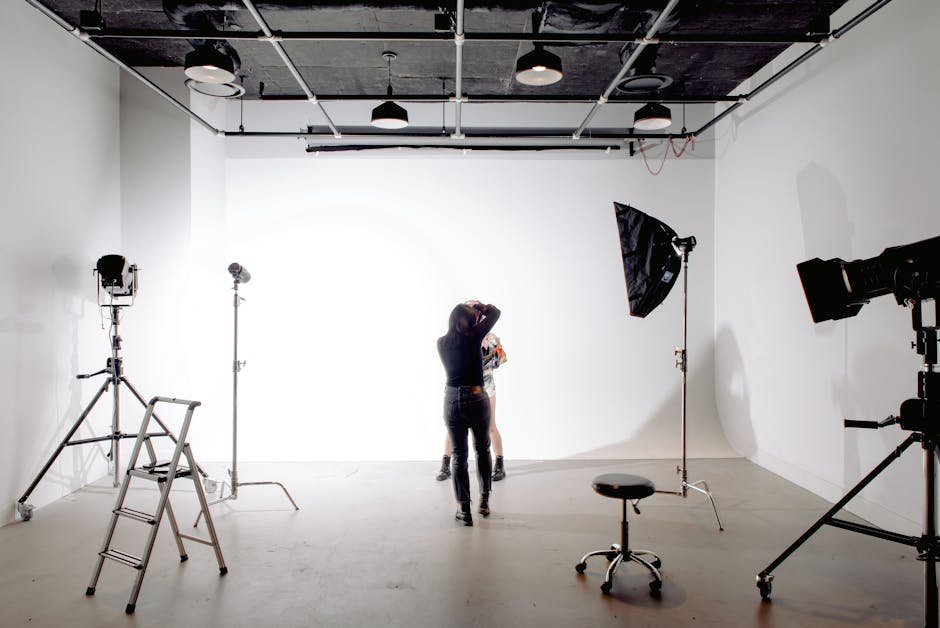
Understanding Portrait Photography
What is portrait photography?
Portrait photography is the art of capturing a person's likeness, personality, and mood in a photograph. It focuses on showcasing the unique characteristics and expressions of the subject, often in a flattering and artistic way. In portrait photography, the individual or group being photographed is the main focus of the image. Portrait photographers aim to convey the essence of the subject through their expressions, poses, and the overall composition of the photograph.
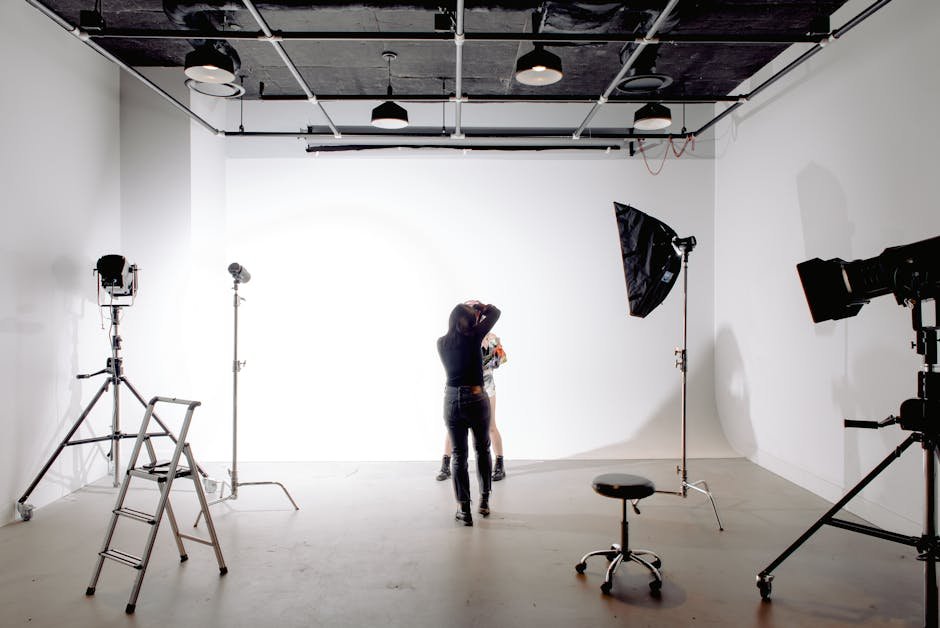
Importance of lighting in portrait photography
Good lighting is crucial in portrait photography as it can make or break an image. Effective lighting helps to highlight the subject's features and create a flattering look. Natural light is often preferred as it provides a soft and even illumination, enhancing the subject's natural beauty. Artificial lighting, such as studio lights, gives more control over the lighting setup, allowing for creative effects. Proper lighting can set the mood of the portrait, emphasizing emotions and creating depth in the image. Remember, the right lighting can transform an ordinary portrait into a stunning masterpiece.
Choosing the right location for portrait photography
Always consider the background of your location. It should complement your subject without being distracting. Look for spots with good natural lighting – near windows or in shaded outdoor areas. Busy backgrounds can take focus away from your subject, so opt for simple, uncluttered settings. Outdoor locations can offer a variety of backdrops, like parks, gardens, or urban landscapes. Indoor settings like studios or living rooms provide controlled lighting conditions for consistent results.
Selecting the best poses for portrait photography
Your chosen poses can greatly affect the outcome of your portrait photographs. Consider poses that reflect your personality or those that make you feel comfortable and confident to capture authentic emotions. Soft, natural lighting can enhance your features and create a flattering look. Experiment with different angles and expressions to find what suits you best.
Equipment needed for portrait photography
Portrait photography requires minimal equipment to get started. Here are the essential items you need:
Camera: A digital camera with manual settings will give you more control over your photos.
Lens: A portrait lens, such as a 50mm or 85mm prime lens, is ideal for capturing sharp, well-defined portraits.
Lighting: Good lighting is crucial for flattering portraits. Natural light or a softbox can help achieve this.
Tripod: Keeping your camera steady is important for sharp images, especially in low-light conditions.
Backdrop: A plain backdrop or backdrop stand can help create a clean, professional look for your portraits.
With these basic items, you can start capturing stunning portrait photos.
Tips for capturing genuine emotions in portrait photography
To capture genuine emotions in portrait photography, focus on creating a comfortable environment for your subject. Encourage natural expressions by engaging in genuine conversations or activities during the shoot. Pay attention to body language and facial expressions to capture authentic moments. Avoid forced poses and smiles, instead, let emotions unfold naturally. Use natural light whenever possible to evoke a sense of warmth and authenticity in your portraits.
Editing techniques for enhancing portrait photographs
To enhance your portrait photographs, consider using editing techniques like adjusting brightness and contrast, smoothing out skin imperfections, enhancing colors, and adding sharpness to details. Portrait photography editing can help bring out the best in your subjects, creating stunning and professional-looking images. Experiment with different editing tools and techniques to find what works best for your style and the mood you want to convey in your portraits.
Different styles in portrait photography
Portrait photography comes in various styles. When choosing a style for your portrait, consider the following options:
Traditional: A timeless approach with classic poses and lighting.
Lifestyle: Capture moments in more relaxed, natural settings.
Glamour: Emphasizes beauty with dramatic lighting and retouching.
Candid: Natural, unposed shots that capture genuine emotions.
Fine Art: Artistic and creative portraits often with a unique touch.
Each style conveys a different mood and aesthetic, so choose one that resonates with the essence you want to capture in your portrait.
Famous portrait photographers and their work
You might have heard about Annie Leibovitz, known for her captivating celebrity portraits. Another famous name is Richard Avedon, recognized for his iconic fashion and portrait photography. Steve McCurry is renowned for his striking National Geographic portraits, capturing raw emotions in diverse cultures. Irving Penn's elegant and timeless portraits have left a lasting impact on the art world. These photographers' work continues to inspire and influence contemporary portrait photography trends.
Summary and conclusion
Before investing in a camera and equipment for portrait photography, consider starting with what you have. High-quality cameras and lenses can make a difference, but don't let the equipment hold you back. Understanding composition and lighting is crucial for capturing stunning portraits. Experiment with different angles and lighting setups to find your style. Keep practicing, and don't be afraid to try new techniques. Remember, the most important aspect of portrait photography is capturing the emotion and personality of your subject. Explore different editing styles to enhance your photos, but always remember to stay true to your vision.
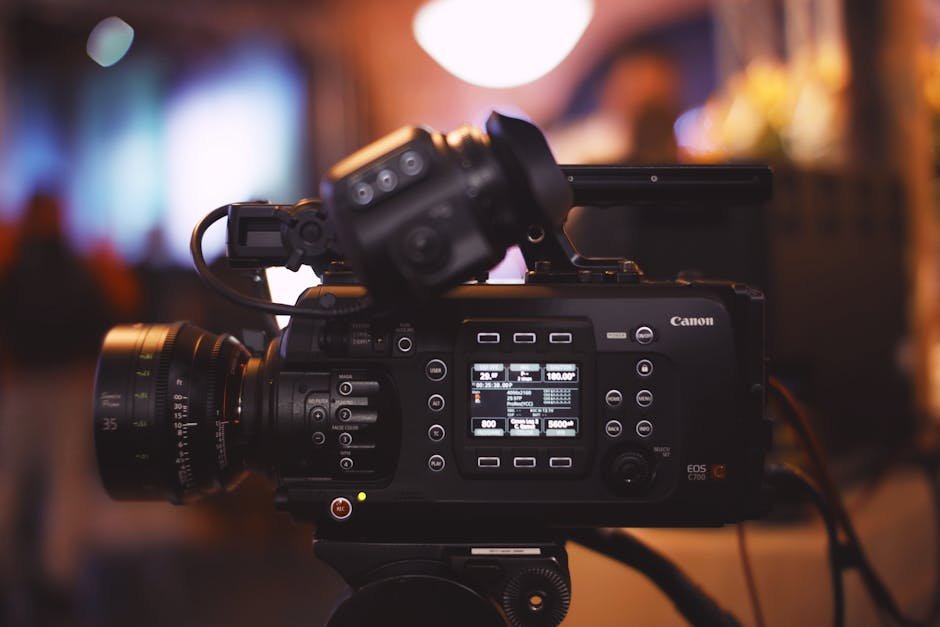
Elevating Your Brand with Commercial Video Production
Importance of video in branding
Videos are essential for branding as they help to tell your brand story visually. They create a strong emotional connection with your audience and effectively communicate your brand message. According to a report by Cisco, by 2022, videos will make up 82% of all internet traffic. This shows the increasing significance of video content in today's digital world. With videos, you can showcase your products or services in a compelling way, engage your audience, and stand out from your competitors. Investing in commercial video production can elevate your brand and help you reach a wider audience.
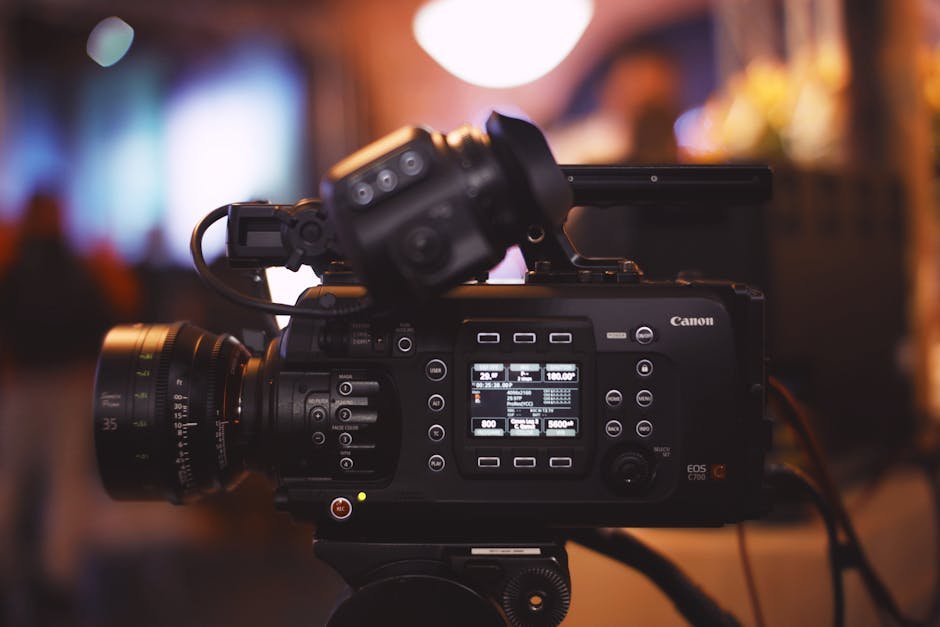
Benefits of commercial video production
Commercial video production can significantly increase brand visibility and audience engagement. It allows you to showcase your products or services in a dynamic and captivating way, capturing the attention of potential customers. Professional videos can convey your brand message effectively and leave a lasting impression. Moreover, sharing videos on various platforms can help in expanding your reach and attracting a wider audience. Videos also have the ability to evoke emotions and create a stronger connection with viewers, ultimately increasing brand loyalty.
Understanding your target audience
To create a successful commercial video, it's essential to understand your target audience. This means knowing who they are, what they like, and what problems they have that your product or service can solve. Here are some key points to keep in mind:
Identify your target audience: Determine the age group, interests, and preferences of the people you want to reach.
Craft your message: Tailor your video to resonate with your target audience's needs and desires.
Create engaging content: Make sure your video is clear, compelling, and relevant to your audience.
Call to action: Encourage your audience to take a specific action, whether it's visiting your website, making a purchase, or contacting you for more information.
Understanding your target audience is crucial for creating a commercial video that effectively communicates your brand's message and resonates with the people you want to reach.
Crafting a compelling brand story
To craft a compelling brand story, focus on showcasing your brand's values, mission, and unique selling points through storytelling. Consider the following tips:
Define your brand identity clearly - Who are you, what do you stand for, and why should customers choose you?
Highlight your brand's journey and evolution - Share the story of how your brand came to be, its growth, and milestones.
Engage emotions - Make your audience feel connected by evoking emotions like joy, inspiration, or empowerment.
Show authenticity - Be genuine and transparent in your storytelling to build trust with your audience.
Use visuals creatively - Incorporate visual elements like videos, images, and graphics to enhance your brand story and make it memorable.
Choosing the right video style for your brand
When selecting a video style for your brand, consider your target audience and the message you want to convey. Different video styles can evoke various emotions and communicate distinct tones. For example:
Explainer videos are great for simplifying complex ideas.
Testimonial videos can build credibility and trust with your audience.
Product demo videos showcase your product in action.
Choose a style that aligns with your brand identity and effectively communicates your key points to your audience.
Planning your video production budget
When planning your video production budget, consider the following factors:
Outline your goals: Determine what you want to achieve with your commercial video.
Storyboard and script: Allocate budget for writing a script and creating a storyboard.
Equipment and crew: Factor in the cost of cameras, lighting, sound equipment, and personnel.
Location and props: Budget for any locations you need to rent and props for the shoot.
Post-production: Include costs for editing, sound design, color correction, and any special effects.
Distribution and promotion: Set aside funds for promoting and distributing your video once it's ready.
Remember, your budget will vary depending on the complexity of your video and the level of quality you aim to achieve.
Selecting a video production company
When choosing a video production company, consider their portfolio, client reviews, and previous work. Take note of their style, quality, and creativity. Make sure they understand your brand and can bring your vision to life. Schedule meetings to discuss your project and get a feel for their communication and collaboration style. It's essential to find a company that aligns with your goals and can deliver the quality you need to elevate your brand through video production.
Pre-production process and brainstorming ideas
Before filming starts, there's a crucial step called pre-production. This is where the brainstorming happens to come up with exciting ideas for the commercial video. During this stage, the team discusses concepts, scripts, and storyboards, ensuring everything is set for a successful shoot. This process is essential for aligning everyone on the same page and setting the foundation for a compelling video that showcases your brand effectively.
Filming and production phase
During the filming and production phase of a commercial video, the creative team brings the script to life. The team captures visuals and records audio to craft a compelling narrative that aligns with your brand. Key tasks during this phase include setting up equipment, directing the actors, recording scenes, and ensuring everything looks and sounds perfect for the final video. This phase is where the magic happens, transforming ideas into a visual story that will elevate your brand and captivate your audience.
Leveraging your commercial video for brand growth
When it comes to leveraging your commercial video for brand growth, consistency is key. Ensure that your video aligns with your brand's messaging and values. Utilize various platforms to reach a broader audience, such as social media, your website, and email marketing. Include a strong call-to-action at the end of the video to encourage viewer engagement. Monitor the performance of your video by tracking metrics like views, shares, and conversion rates to understand its impact on your brand's growth. Remember, a well-crafted commercial video can significantly elevate your brand's visibility and credibility in the market.