Trends in Marketing Video Production You Can't Ignore
In today's fast-paced digital world, marketing video production has become an essential tool for businesses looking to engage their audience and boost their brand presence. With the continuously evolving landscape of technology and consumer behavior, staying ahead of video production trends is crucial. This blog will explore the most significant trends in marketing video production that you simply can't ignore, ensuring your content remains relevant and impactful.
The Rise of Live Streaming
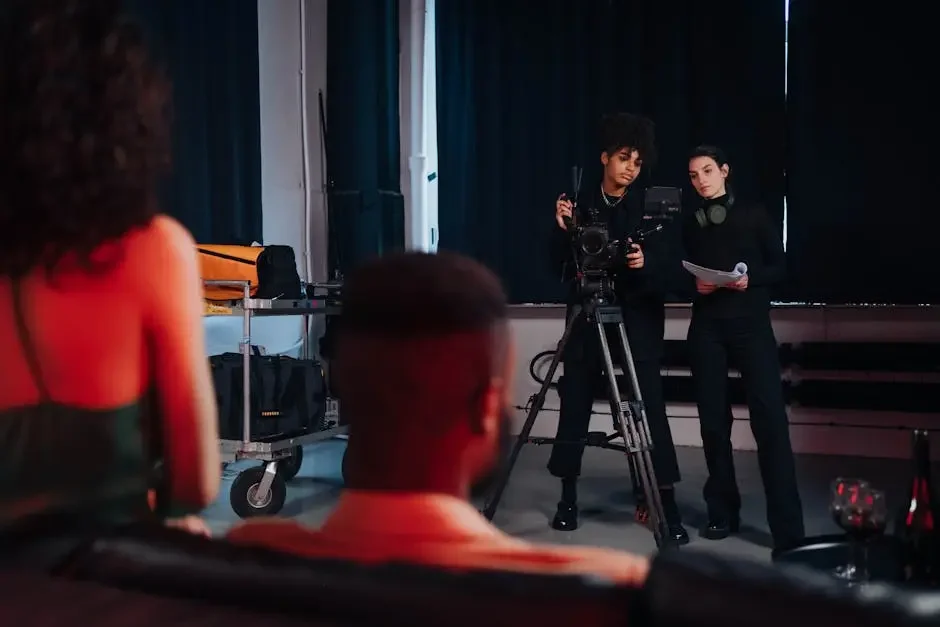
Live streaming has surged in popularity, allowing brands to connect with audiences in real time. This trend creates a sense of immediacy and fosters engagement as viewers can interact with content as it unfolds.
The spontaneity of live streams not only humanizes the brand but also invites viewers into a behind-the-scenes look, making them feel like a part of the journey. Whether it's product launches, Q&A sessions, or live events, audiences are keen to participate and provide instant feedback.
Moreover, the rise of platforms like Twitch and YouTube Live has made live streaming accessible to brands of all sizes. As a result, marketers must consider how to incorporate live elements into their strategies, ensuring they remain relevant in a competitive landscape.
Personalization and Targeted Content
Consumers crave personalized experiences, and video production is no exception. Tailoring video content to specific audience segments maximizes engagement and enhances viewer experience.
Think of personalized video as a conversation. By addressing viewers directly and showcasing relatable scenarios, you create a sense of intimacy. Marketers can utilize data analytics to provide tailored content that resonates, ensuring that each viewer feels valued and understood.
The power of targeted video content lies in its ability to respond to viewers' preferences and behaviors, paving the way for higher retention rates. By speaking directly to their interests, brands can build stronger connections, leading to loyalty and increased conversion.
Short-Form Video Popularity
Platforms like TikTok and Instagram Reels have popularized short-form videos, demanding that marketers adapt their storytelling into bite-sized, compelling narratives that grab attention quickly.
The average attention span of viewers has diminished, necessitating a shift in video strategy. Marketers must become adept at distilling their messages into concise formats that still deliver impact. This not only engages viewers faster but also encourages sharing across social platforms.
Creators should embrace the brevity of short-form videos, using creative hooks and engaging visuals to convey powerful stories. With such a dynamic approach, brands can tap into viral trends and increase their visibility exponentially.
Incorporating User-Generated Content
Brands that leverage user-generated content not only build trust with their audience but also create a community around their products. Encouraging customers to share their own video experiences can be incredibly powerful.
User-generated videos serve as authentic testimonials that resonate with potential customers. When people see real users interacting with a product or service, it adds a layer of credibility that polished advertisements often lack. Think of it as democratizing brand messaging, allowing consumers to be part of the storytelling process.
Companies can foster this engagement by hosting contests, encouraging social media shares, and actively showcasing user content in their marketing strategies. By highlighting their community, brands not only cultivate loyalty but also make consumers feel like an integral part of their brand narrative.
Exploration of 360-Degree Video Technology
360-degree videos provide an immersive experience that allows viewers to engage with content from multiple angles. This technology can transform how audiences experience narratives, offering a dynamic perspective unlike traditional video formats.
Imagine virtually walking through a store, exploring various products before making a purchase—all from the comfort of your home. 360-degree videos allow brands to create engaging experiences that captivate and inform audiences in ways that flat video simply cannot.
As this technology becomes more mainstream, marketers should consider how to integrate it into their campaigns. By providing immersive storytelling experiences, brands can differentiate themselves from competitors and enhance viewer engagement.
The Importance of Quality and Authenticity
As video marketing evolves, audiences are increasingly drawn to authenticity. High-quality production values should still be coupled with genuine storytelling to resonate with viewers and foster loyalty.
In a world flooded with content, authenticity shines through as a major differentiator. Brands that prioritize storytelling aligned with their core values will find that audiences respond positively, creating a bond founded on trust and credibility.
Marketers should focus on delivering quality content that reflects their true essence. This means investing in production without losing sight of what makes the brand unique. Balancing professional aesthetics with authentic narratives is key to connecting with audiences on a deeper level.
Embrace the Future of Video Marketing
By embracing these trends in marketing video production, you'll not only enhance your content's effectiveness but also connect more deeply with your audience. Remember, video is not just a medium; it's a powerful storytelling tool that, when done right, can propel your brand toward success. Stay agile, be creative, and keep experimenting to make the most of what video production has to offer.