Exploring the Art of a Documentary Videographer: Behind the Camera
Documentary videographers play a crucial role in capturing real-life stories and experiences. Their unique perspective and skillful storytelling bring facts to life in ways that engage audiences and provide insight into diverse worlds. Join me as we delve into the fascinating art of being a documentary videographer, exploring the techniques, challenges, and rewards of this impactful career.
The Role of a Documentary Videographer
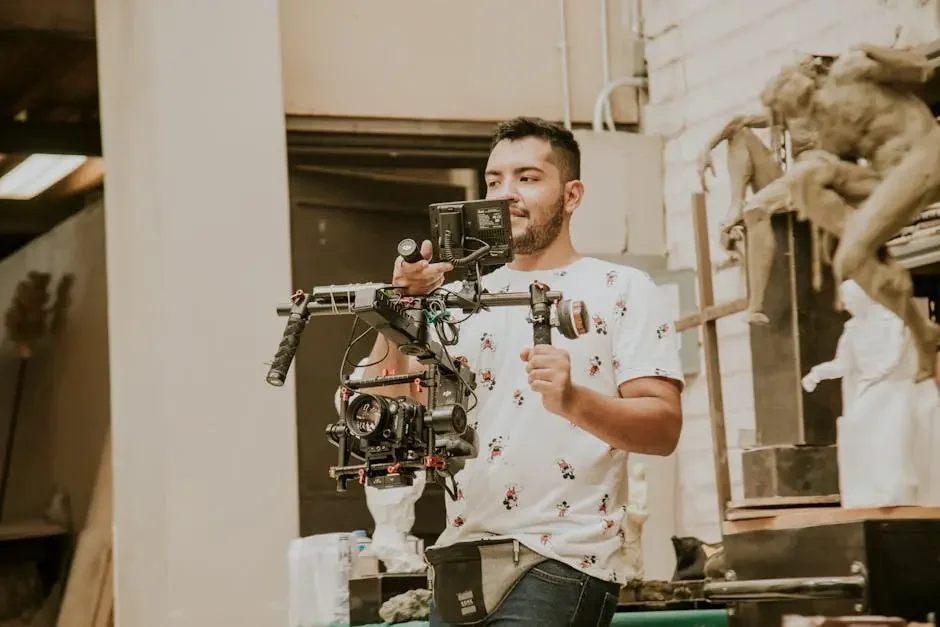
Documentary videographers serve as storytellers, using visual media to convey complex narratives. Understanding their role is vital in appreciating how they shape perceptions and evoke emotions through their work.
Their job extends beyond merely pressing ‘record’—it involves a deep connection with the subject matter. This connection allows them to present stories that are authentic and relatable, showcasing the rawness of human experience. A documentary videographer must wear many hats: facilitator, researcher, and sometimes even a confidant to their subjects.
In many ways, they act as mirrors reflecting society’s diverse tapestry, intricacies, and stories. By stepping into the lives of others, they create a bridge for audiences to connect with experiences far removed from their own. This understanding fosters empathy, making their role not only essential but profoundly impactful.
Crafting Compelling Narratives
At the heart of every documentary is a compelling story. This section will explore how videographers uncover narratives that resonate and engage audiences, highlighting the importance of research and storytelling techniques.
Identifying the core message and themes makes all the difference in documentary storytelling. A successful documentary videographer knows that every story exists in layers. Diving deep into context, history, and personal anecdotes adds richness to the narrative. They employ a mix of interviews, footage, and supporting materials to construct these multi-faceted stories, breathing life into facts and figures.
Moreover, a strong narrative is often about pacing and structure. Videographers carefully arrange their footage to create an emotional journey for the viewers. This process sometimes means making tough choices about what to include or leave out, all to strengthen the overall impact. Each moment matters, and by weaving together various storytelling elements—such as visual imagery, sound design, and editing—they engage and inspire their audience, drawing them into the subject’s world.
Techniques in Documentary Filmmaking
From camera angles to lighting and sound, this section will review the technical skills necessary for documentary videography. We'll break down how these elements contribute to creating impactful visual stories.
The choice of camera angles can shape a viewer's perception dramatically. A close-up can evoke intimacy, while a wide shot situates a subject within their environment, creating a story’s context. Lighting further enhances these visuals; the mood can change entirely with just a subtle shift toward softer light or shadows. These techniques require a blend of artistic vision and technical know-how, both crucial for delivering a powerful story.
Sound design cannot be overlooked, either. The right sound can heighten drama and fully immerse viewers in the narrative. The audible background—the whisper of leaves, distant city sounds, or poignant interviews—helps craft a rich atmosphere. Editors play an equally important role, meticulously piecing together the elements to ensure the final product has a coherent flow, resonating emotionally with audiences throughout.
Challenges Faced by Documentary Videographers
While fulfilling, the journey as a documentary videographer is fraught with challenges. This segment discusses common obstacles, including gaining trust, ethical considerations, and dealing with unpredictable scenarios on location.
Building trust is paramount in documentary filmmaking. When working with real people and sensitive topics, a videographer must ensure their subjects feel safe and respected. This often involves showing vulnerability and establishing a rapport that goes beyond the camera lens. Trust is built over time and can be a delicate journey of patience and understanding.
Moreover, ethical dilemmas frequently arise in this profession. Making decisions on what to reveal and what to withhold can be challenging. The subjects’ stories matter deeply, and a videographer must balance the truthfulness of representation with the potential impact on those involved. Coupled with the unpredictability of the locations they shoot in—like weather changes or unexpected events—these challenges require quick thinking and adaptability.
The Emotional Impact of Documentary Work
Documentary work often brings emotional weight. This section reflects on how videographers process their experiences and the impact of sharing vulnerable stories on both themselves and their viewers.
The ability to reveal deeply personal or challenging stories comes with a hefty emotional toll. Videographers immerse themselves in the experiences of others, which can lead to profound shifts in their own perspectives. While giving a voice to the voiceless, they often find themselves grappling with conflicting emotions—joy in shared moments and sadness in harsh realities.
As storytellers, they also become conduits for empathy. Each story they tell has the potential to touch viewers greatly, inviting them to reflect on their own lives. Seeing a story unfold through a documentary may shift perceptions, challenge preconceptions, or even inspire action. The reciprocal nature of this connection creates a unique emotional landscape for both the filmmaker and the audience.
Tools of the Trade: Equipment Essential for Documentary Filmmaking
An overview of the gear that documentary videographers rely on, including cameras, sound equipment, and editing software, ensuring they are equipped to capture their stories effectively.
At the core, the camera is the documentary videographer’s main tool. However, choosing the right model and lenses can make a significant difference in how stories are conveyed. Different environments require different setups, ranging from handheld shots for intimacy to larger rigs for dramatic scenes. Alongside, sound is crucial; high-quality microphones and audio recorders capture the nuance of dialogue and ambient sounds essential for a realistic feel.
Post-production tools also play a vital role. Editing software helps videographers bring all the pieces together, allowing them to craft a cohesive narrative. This stage can be just as imaginative as filming itself, as editors shape the pacing, rhythm, and tone of the documentary. With so many available resources, the right combination of tools supports the vision and creativity behind a compelling documentary.
The Future of Documentary Videography
As technology evolves, so does the field of documentary filmmaking. This section will explore emerging trends, including virtual reality, streaming platforms, and how these advancements influence storytelling.
The rise of virtual reality opens new doors for immersive storytelling. Viewers can step into the scene, experiencing the documentary as if they are part of it. This shift challenges traditional methods and invites documentary videographers to think creatively in how they present their narratives. Engaging audiences more interactively can lead to deeper understanding and connection.
Streaming platforms have also transformed how documentaries reach audiences. With a global audience available at their fingertips, documentary filmmakers can showcase diverse narratives that might have once been relegated to smaller audiences. This accessibility encourages more unique voices and stories to be told. As these formats evolve, content creators must adapt, embracing innovative methods to keep storytelling fresh and engaging in a rapidly changing media landscape.
Reflecting on the Journey Behind the Lens
The life of a documentary videographer is anything but ordinary. From the vibrant stories they capture to the intricate art of filming, their work resonates on both personal and universal levels. As we conclude our journey behind the camera, may we appreciate the artistry that goes into documenting the world around us, inspiring deeper connections and understanding.